Why Termite Damage Is Usually Not Covered by Homeowners Insurance
One of the most frustrating surprises for homeowners in Savannah is discovering that termite damage insurance claims are almost always denied. This isn't because insurance companies are being unreasonable, but rather because standard homeowners policies are designed to cover sudden, accidental damage, not gradual deterioration caused by pests.
Insurance companies view termite infestations as a preventable problem. Since homeowners have the ability to take preventive measures like regular inspections, soil treatments, and wood barriers, insurers classify termite damage as a maintenance issue rather than a covered loss. This distinction is crucial: your policy covers the roof collapsing from a storm, but not the slow destruction of your home's structural wood by termites. The logic, from an insurance perspective, is that you should have caught and prevented the infestation before it became catastrophic.
Additionally, most standard homeowners insurance policies contain explicit exclusions for damage caused by insects, rodents, and other pests. These exclusions are printed right in your policy documents, though many homeowners never read them until they need to file a claim. If you're unsure whether your policy covers termite damage, it's worth calling your insurance agent directly to confirm the exact language of your coverage.
The Difference Between Termite Damage and Wood Rot Insurance Claims
Homeowners sometimes confuse termite damage with Wood Rot & Dry Rot Repair issues, and while they can be related, insurance companies treat them differently. Termite damage is caused by active pest infestation, while wood rot is typically caused by moisture, poor ventilation, or lack of maintenance. Understanding this distinction can affect whether your insurance claim has any chance of being approved.
In rare cases, if wood rot develops as a direct result of water damage from a covered peril (like a burst pipe or roof leak from a storm), you might have grounds for a claim. However, if the rot simply developed over time due to poor drainage or ventilation, your insurer will likely deny the claim as a maintenance issue. The key factor is whether the damage stems from a sudden, accidental event covered by your policy, or from gradual deterioration. This is why it's essential to address moisture problems promptly in your Savannah home before they become structural emergencies.
What You Should Do If You Discover Termite Damage in Your Home
If you suspect termite damage in your home, the first step is to document everything and contact a pest control professional immediately. Do not wait or assume the problem will resolve itself. Termites work quickly and silently, and the damage you see today may represent months or years of destruction. Taking swift action demonstrates to your insurance company that you're a responsible homeowner, and it prevents the infestation from spreading further.
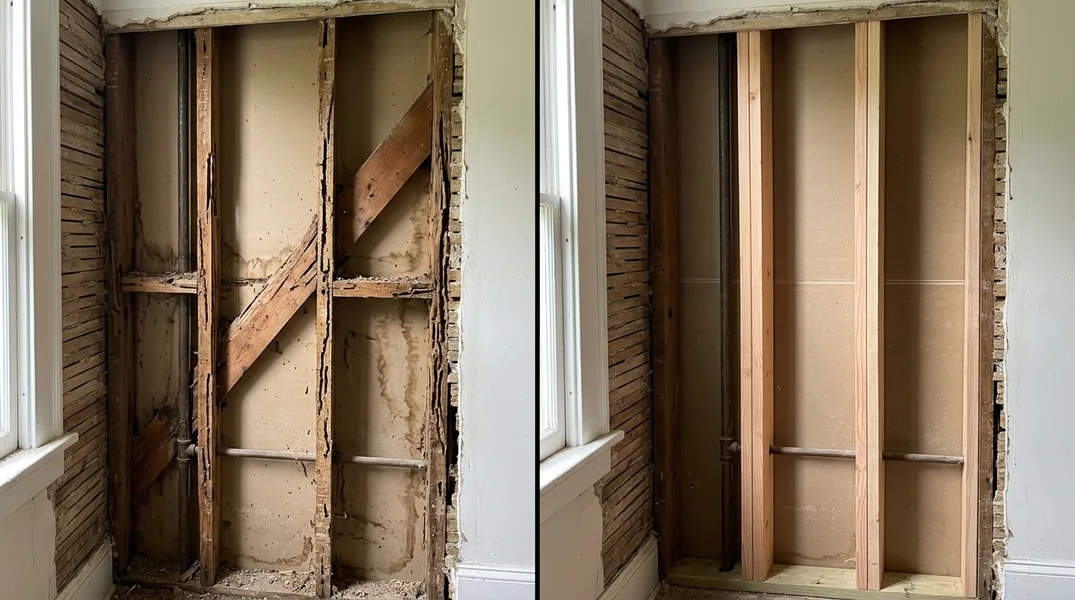
Once pest control has confirmed the infestation and treated it, you'll need to assess the structural damage. This is where Termite Damage Repair specialists become invaluable. Depending on the severity, you may need anything from minor wood replacement to extensive structural repairs involving Floor Joist & Subfloor Repair or even Beam Replacement & Load-Bearing Wall Removal. A professional inspection will determine exactly what needs to be repaired and help you understand the full scope of the problem.
Even though your homeowners insurance likely won't cover the repairs, documenting the damage with photos and professional reports is important for your records and for future property sales. Many buyers will want proof that termite damage was addressed properly. Savannah Carpentry can provide detailed assessments and repair estimates if you need professional guidance. Contact us at (912) 446-6703 to schedule an inspection.
How to File a Termite Damage Insurance Claim (and Understand Why It Will Likely Be Denied)
If you want to attempt filing a termite damage insurance claim, here's what you need to know. Start by reviewing your policy documents carefully, looking for any language about pest damage or infestation. Then, contact your insurance agent and formally notify them of the damage. They may send an adjuster to inspect the property, though many insurers will deny the claim outright based on the standard exclusions in your policy.
When you file a claim, provide clear documentation including photos of the damage, a pest control report confirming the infestation, and any professional assessments of the structural damage. Some homeowners have had limited success arguing that the damage should be covered if it resulted from a covered water event that created conditions favorable to termites, but these cases are rare and often contested.
The reality is that most insurance companies will cite the pest damage exclusion and deny your claim. Rather than spending time and frustration fighting an uphill battle, it's more practical to focus on getting the damage repaired properly and protecting your home from future infestations. This is where prevention becomes your best investment.
Prevention Is Your Best Insurance Against Termite Damage
Since your homeowners insurance won't cover termite damage, prevention is truly your best defense. In the warm, humid climate of Savannah, termites are an ongoing threat, and taking proactive steps can save you thousands of dollars in repairs. Start with regular professional inspections at least once a year, and more frequently if you've had previous infestations or live in an older home.
Beyond inspections, maintain good drainage around your foundation, keep mulch and wood debris away from your home's exterior, ensure proper ventilation in crawl spaces, and fix any moisture problems immediately. These habits are inexpensive compared to the cost of repairing extensive termite damage. Additionally, consider having a pest control professional apply preventive soil treatments or install physical barriers around your foundation. While these services cost money upfront, they're far less expensive than dealing with structural repairs later.
If you do discover damage, addressing it quickly minimizes the risk of further infestation and keeps repair costs manageable. The longer you wait, the more extensive the damage becomes. Savannah Carpentry specializes in assessing and repairing termite damage, and we can provide you with a free estimate to understand your repair needs and budget accordingly.
Termite Damage Repair Cost in Savannah: What to Budget
The cost of repairing termite damage varies dramatically depending on the extent of the infestation and how long it went undetected. Minor damage affecting only trim or siding might cost a few hundred dollars, while structural damage involving joists, beams, or load-bearing elements can easily run into the thousands. In severe cases where major structural components need replacement, repairs can exceed $10,000 or more.
Since insurance won't cover this expense, it's important to budget accordingly and get multiple professional assessments. When you request pricing from repair contractors, make sure they provide detailed breakdowns of labor, materials, and any additional structural work needed. Some damage may not be immediately visible, so a thorough inspection is essential before finalizing a budget. Savannah Carpentry can evaluate your specific situation and provide transparent pricing so you know exactly what to expect. Call (912) 446-6703 to discuss your repair needs.
Looking for a professional carpentry contractor in Savannah? Savannah Carpentry responds fast for all your carpentry needs.
Get a Free QuoteOur services: Wood Rot & Dry Rot Repair · Termite Damage Repair · Floor Joist & Subfloor Repair