Why Doors Stick in Savannah: The Humidity Factor
If you live in Savannah, you know that humidity is a way of life. Our subtropical climate means moisture is constantly in the air, and it affects everything in your home, including your doors. Wood is hygroscopic, meaning it naturally absorbs and releases moisture based on the surrounding environment. When humidity levels spike, wood swells. When they drop, it shrinks. This seasonal expansion and contraction is one of the most common reasons homeowners experience a door won't close properly.
During Savannah's humid summers, door frames and door panels absorb moisture and expand slightly. This can cause the door to bind against the frame, making it difficult or impossible to close smoothly. You might notice the door sticks at the top, bottom, or along the latch side. Many homeowners assume this is a minor inconvenience that will resolve itself, but persistent sticking can indicate deeper structural issues. If your door continues to stick even after humidity levels normalize, it's time to investigate further.
Termite Damaged Door Frames: A Silent Threat
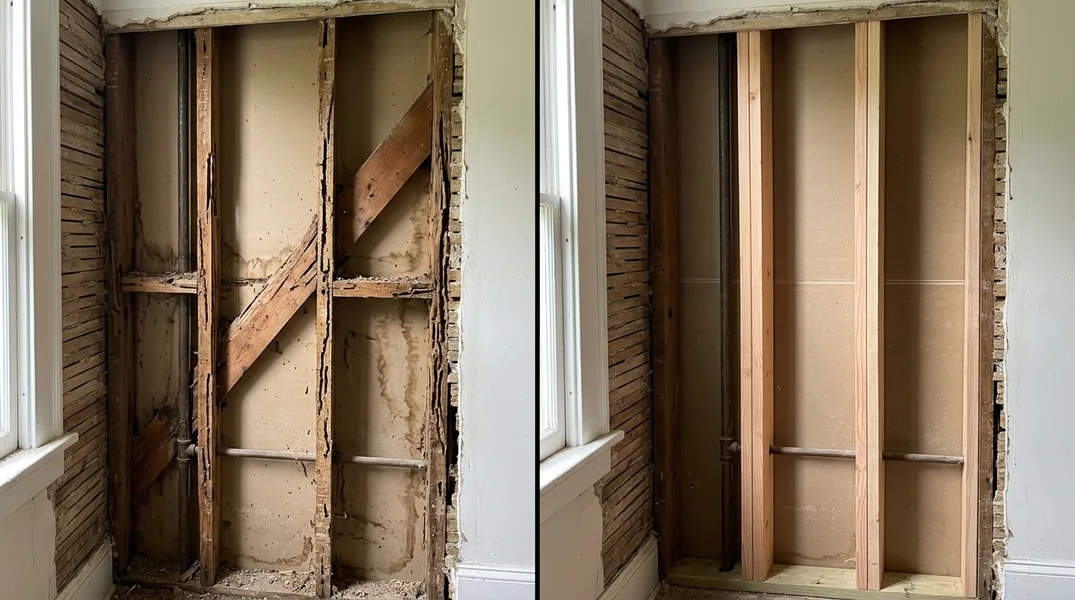
While humidity-related swelling is often temporary, a Termite Damage Repair situation is far more serious. Termites are a constant concern for homeowners in coastal Georgia, and door frames are prime targets. Subterranean termites tunnel through wood, consuming the cellulose and weakening the structural integrity of frames, jambs, and surrounding wood. As termites compromise the door frame, it can warp, twist, or settle unevenly, causing the door to stick or hang at an angle.
The challenge with termite damage is that it often goes unnoticed until the problem becomes severe. A sticking door might be your first warning sign. If you notice that a door suddenly won't close properly, or if it's accompanied by other signs like hollow-sounding wood, visible mud tubes, or sawdust-like droppings, termite activity is likely. Unlike simple humidity swelling, termite damage requires immediate professional attention. Ignoring it allows the infestation to spread to other areas of your home, potentially affecting structural beams, subfloors, and load-bearing walls.
Wood Rot and Dry Rot: When Moisture Becomes Structural Damage
Wood Rot & Dry Rot Repair is essential when moisture damage progresses beyond simple swelling. In Savannah's damp climate, wood rot develops when moisture penetrates wooden components and creates an environment where fungi thrive. Unlike termite damage, which involves active insects, wood rot is a fungal decay process. The affected wood becomes soft, spongy, and loses its structural strength. When rot affects a door frame, the frame can become warped, weakened, or misaligned, making it impossible to close the door properly.
Dry rot, despite its name, also thrives in moist conditions and is particularly destructive because it can spread rapidly through wood and even across masonry. If your door frame has been exposed to water damage, roof leaks, or poor drainage, dry rot may be developing inside the wood where you can't see it. A door that sticks or won't close properly combined with soft, crumbly wood or a musty odor is a strong indicator of wood rot. This type of damage requires professional assessment and repair to prevent further deterioration and ensure your home's structural safety.
How to Diagnose the Real Cause of Your Sticking Door
Before you can fix a door that won't close properly, you need to understand what's causing it. Start by examining the door and frame closely. Look for visible signs of damage: soft or spongy wood, discoloration, peeling paint, or mud tubes (a sign of termite activity). Press your fingernail or a screwdriver gently against the wood. If it leaves an impression or the wood feels soft, you likely have rot or termite damage. If the wood feels solid and the sticking seems to come and go with seasonal changes, humidity swelling is the probable culprit.
Check the door's alignment by looking at the gaps between the door and frame. Uneven gaps suggest the frame has warped or settled, which could indicate structural issues like termite damage or rot. Also, inspect the threshold and the area where the frame meets the wall. Water stains, evidence of past leaks, or visible damage in these areas can help pinpoint moisture-related problems. If you're uncertain about what you're seeing, or if the problem seems serious, it's wise to contact a professional. A trained carpenter can quickly identify whether you're dealing with humidity, termites, rot, or a combination of factors.
Wood Rot & Dry Rot Repair Near Me: When to Call a Professional
If your investigation suggests anything beyond simple humidity swelling, professional help is necessary. Termite damage, wood rot, and dry rot all require expert repair to ensure the problem is fully resolved and doesn't spread. Attempting DIY fixes on structurally compromised wood can be dangerous and often makes the problem worse. A professional carpenter from Savannah Carpentry can assess the extent of damage, remove affected wood, treat termite infestations if present, and rebuild the door frame with new, sound materials.
The repair process varies depending on the cause. For humidity-related sticking, a carpenter might sand down the door or adjust the hinges and latch. For rot or termite damage, affected wood sections must be removed and replaced. Sometimes this involves just the door frame; other times, it extends to the surrounding wall structure. In severe cases where damage has affected load-bearing elements, Beam Replacement & Load-Bearing Wall Removal may be necessary. Getting a professional assessment ensures you understand the full scope of work needed and can plan accordingly.
Prevention: Protecting Your Doors from Future Damage
Once you've addressed a sticking door problem, take steps to prevent it from happening again. In Savannah's humid climate, moisture management is key. Ensure gutters and downspouts are clean and directing water away from your home's foundation. Check caulking around door frames and windows, and reseal any gaps where water could enter. Inside, maintain consistent humidity levels using air conditioning and dehumidifiers during particularly humid months. Proper ventilation in bathrooms and kitchens also helps control moisture.
Regular inspections are your best defense against termites and wood rot. Walk around your home's exterior periodically, looking for signs of termite mud tubes, water damage, or soft wood. Check basement and crawl space areas for moisture accumulation. If you've had termite problems before, consider annual professional termite inspections. Addressing small issues early, like minor water leaks or soft spots in wood, prevents them from becoming major structural problems. If you notice any signs of trouble, don't wait. Contact Savannah Carpentry at (912) 446-6703 to schedule a free estimate and protect your home's structural integrity.
Looking for a professional carpentry contractor in Savannah? Savannah Carpentry responds fast for all your carpentry needs.
Get a Free QuoteOur services: Wood Rot & Dry Rot Repair · Termite Damage Repair · Floor Joist & Subfloor Repair